1. HOME
  2. YEARS OF CHANGE
  3. MAKING OUR CASE
  4. 1974: LAND USE
  5. MAPPING

Mapping

An Interview with Ruth Carroll

Q. Why did you join the mapping project?

The mapping project gave me the opportunity to hear all those stories I missed in those years when I was away from home, going to school.

With the Berger Inquiry coming up, the Dene were beginning to prepare, and they asked me to go to a workshop. Lawyers showed us maps where the pipeline would be laid, where the construction camps would be set up.

Photo: Linda MacCannell

Q. How did you do the work?

We went back home and went around to visit the Elders. Nobody had phones at the time, so we dropped in. I would always speak Gwich'in, our language. I was really thankful that I was forced to take shorthand in high school because it was easy to take notes.

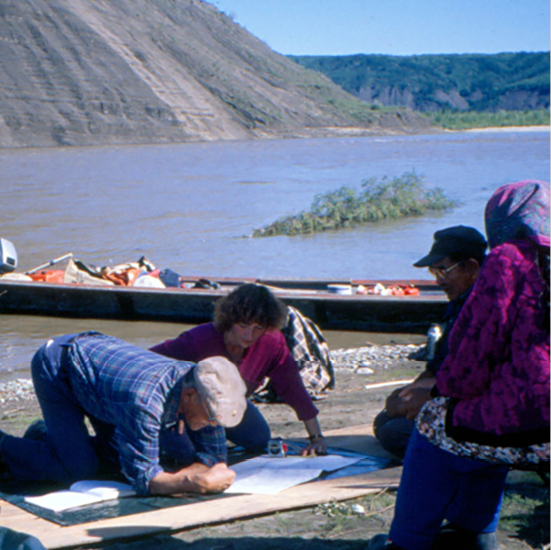
I was equipped with a map with the pipeline route, with all the stations that would be built along the way. I'd lay out the map and the Elders would stand around the table. They'd notice something and point to it. You could see the excitement.
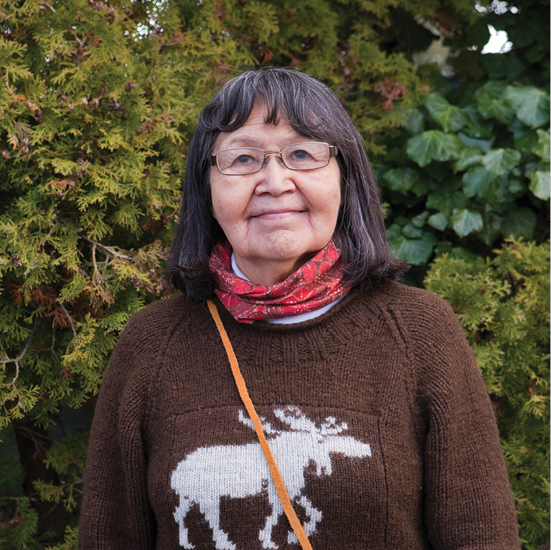
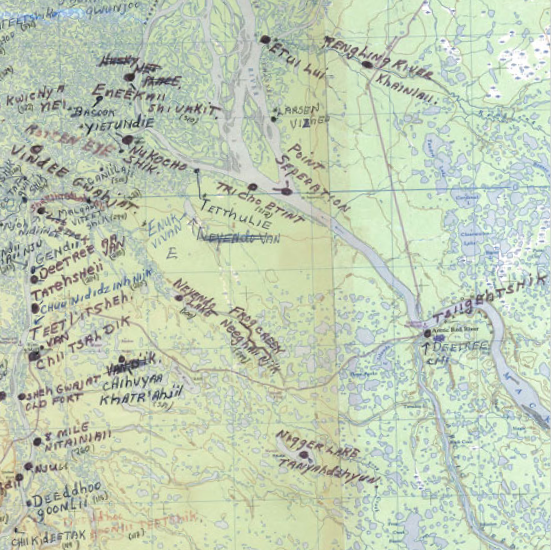
Photo: Gwich'in Tribal Council

We would ask: where is your trapping area? They would say: Way up the river, around Caribou River or Wind River or Hungry Lake - that's a wonderful place where you can't go hungry. Every place name was marked down. Neil Colin would say: What did you do there? And the Elders would laugh and talk. He made things fun, Neil did.

All these place names I heard about from the time I was a kid. When we were sitting with the Elders, they would say: "It's right here!" Now we have a map with place names, thanks to the hard work of those people back then.

Photo: Gwich'in Tribal Council

Q. Were people upset about the pipeline?

They thought about the people from other places coming in. When camps are set up close to the communities, there's a drugs and alcohol.

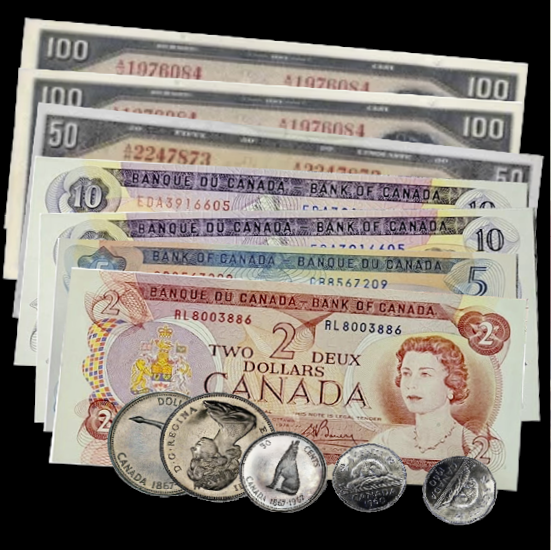
And the money. Not everybody knows how to spend money. We didn't have banks, so what do you do with a big pile of money? People who are wise make sure they got a good vehicle or a skidoo or they make sure their boats are in good condition. But other people blow it, so they work hard for nothing.

Image: Markus Radtke

Q. What happened at the Berger hearings?

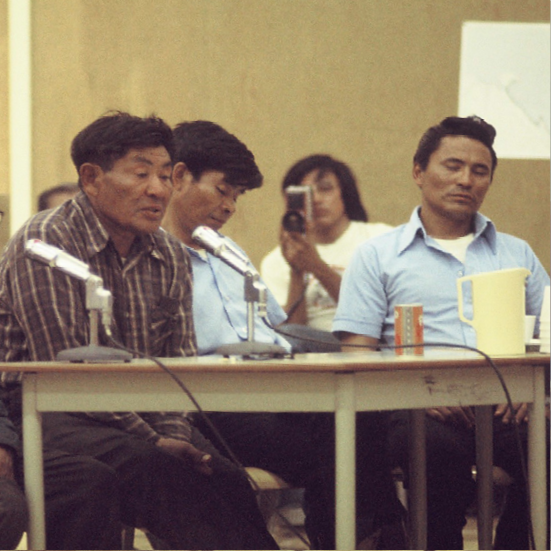
Then the day finally arrived when Berger came into town. There were cameras and tape recorders, huge ones, not like today. It was very impressive to see our own people up there. The Inquiry had an interpreter there for them.

The Berger Inquiry made it inviting, it was safe to sit and talk about your concerns.

Click to view

Photo: Michael Jackson