Q. How did you get your job?
I was working at CBC Vancouver. One day
a reporter came in with a job posting for
a cameraman to do the CBC coverage of
the Berger Inquiry. I loved the idea of living
in the North. And I got the job!
At the Formal hearings of the Inquiry I had
to shoot bits and pieces throughout the day
because of the film costs, so most of the
day I sat in the Inquiry hearings and listened,
picking my story.
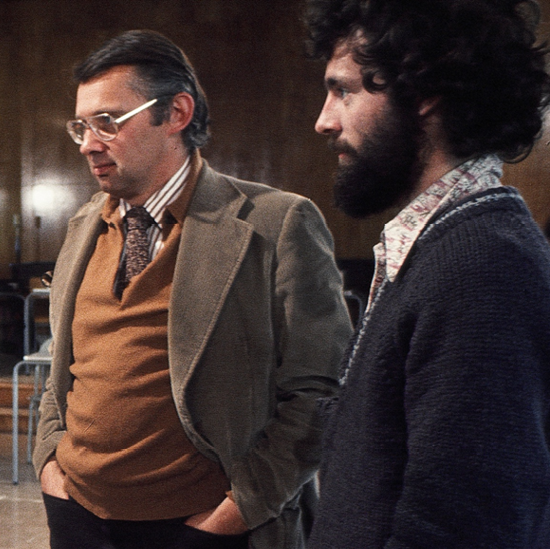
Photo: Michael Jackson
Q. Who was on the news team?
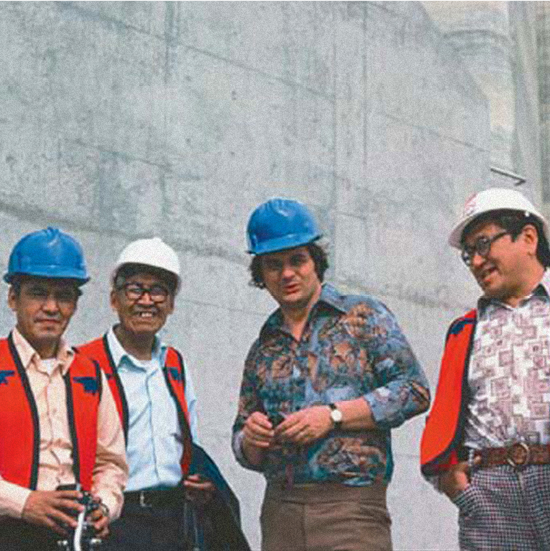
The first Community hearing was held
in Aklavik. The CBC sent its team of
Indigenous language reporters up to the
Delta to cover the hearings: Joe Tobie,
Louie Blondin, Abe Okpik, Jim Sittichinli and
one non-Indigenous reporter, Whit Fraser.
We drove from Inuvik to Aklavik with our
gear. It was a testing ground. How would the
community hearings go?
Photo: Pat Scott
Q. How did you find your stories?
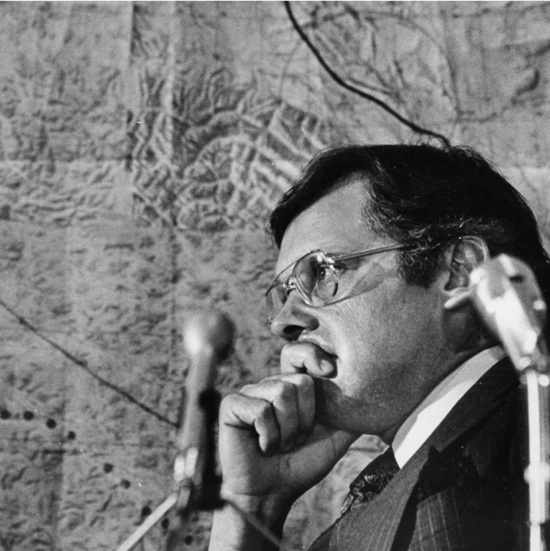
The Judge started each hearing by saying:
'I'm here to listen.' People started telling
stories of living on the land. The Judge sat
and listened and listened. He stayed until
everyone who wanted to speak had had a
chance.
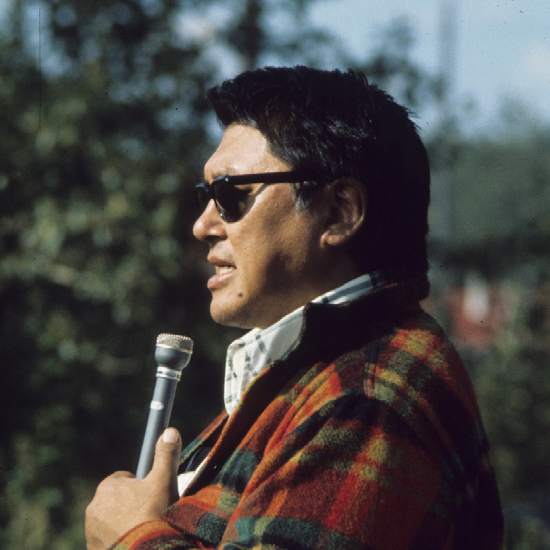
Every day, the reporters did a news report
in their own language. They were skilled.
They translated the testimony into language
understood by people living in bush camps
across the north. They were completely at
home with the challenge.
Photo: Government of Canada
Q. Why were these reporters special?
Each day I prepared a television report
in a different language. It was go, go, go.
We'd sit in the Inquiry all day and then
churn out reports all evening. A dynamic
time.
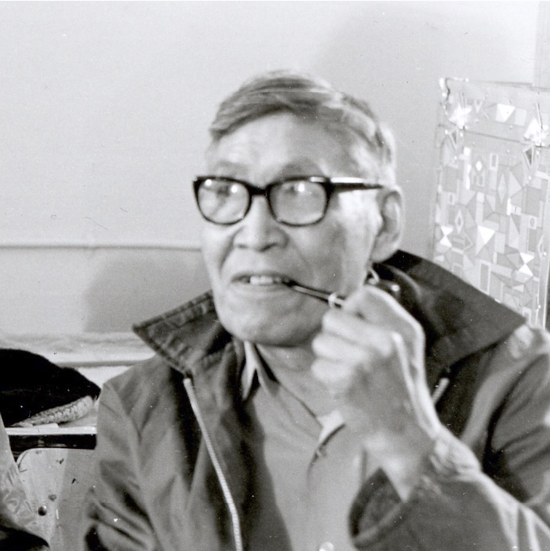
Aklavik was home turf for Abe Okpik.
At the hearing he told of falling through
the ice in the Delta, into an ice cave. The
lake was frozen right to the bottom.
The experts from the oil industry were
amazed - they weren't aware of that.
Photo: Michael Jackson
Q. What special moments do you recall?
In Old Crow, Jim Sittichinli was translating
for an expert who was giving evidence
about caribou fences that had been carbon
dated - they had been used by the Gwich'in
30,000 years ago.
Jimmy stopped translating and said: 'Oh,
yeah, I remember hunting with caribou
fences when I was young.' It was delightful
to see the look of amazement on the face
of the so-called 'expert'.
Photo: NWT Archives
Photo: Jerri Thrasher
Q. Did you give evidence at the Inquiry?
As I heard the stories, I was overwhelmed
by the passion of what the land meant to
people. So when the Inquiry went to Toronto,
I decided to make a speech.
Industry and government were saying: 'We
need the natural gas right now.' But in
Toronto we were staying in a hotel that had
heated floors. Why were we wasting energy
in such a frivolous way? Forty-five years
later, I'm still preaching the same message."
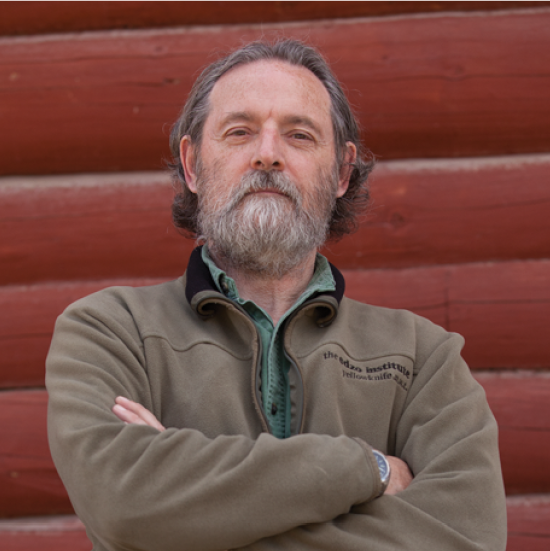
Photo: Linda MacCannell