Q. How did you begin working with the Dene
and Metis?
I was a young lawyer for the Canadian Civil
Liberties Association in Toronto. A friend
told me that the Indian Brotherhood of
the Northwest Territories, later the Dene
Nation, was teaming up with the Metis
Association to make a joint presentation
to the Berger Inquiry. I was hired as the
lawyer representing both organizations.
Photo: NWT Archives
Q. How did the two Indigenous organizations
plan for the Berger Inquiry?
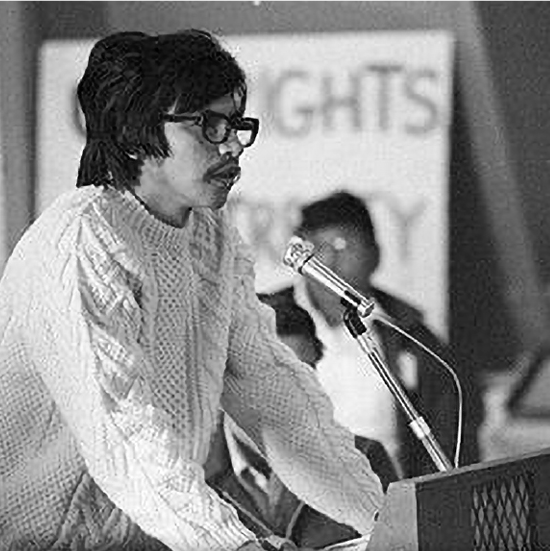
The leaders of the Dene Nation and the
Metis Association were all young, the first
generation to receive post-secondary
education. They were thrust into positions
of leadership at a young age but they were
very motivated.
They didn't talk about anything but politics!
Photo: NWT Archives
Q. What approach did you take?
It was easy to identify our legal strategy at
the Berger Inquiry: to get a recommendation
that no pipeline be permitted until land claims
had been settled. But proving our case was
more complicated. We had to show that the
Dene had an arguable case for aboriginal
rights and title to a large area in the
Northwest Territories.
That meant proving that the Dene had
used and occupied the land "since time
immemorial", as the legal phrase goes.
Photo: NWT Archives
Q. How did you do that?
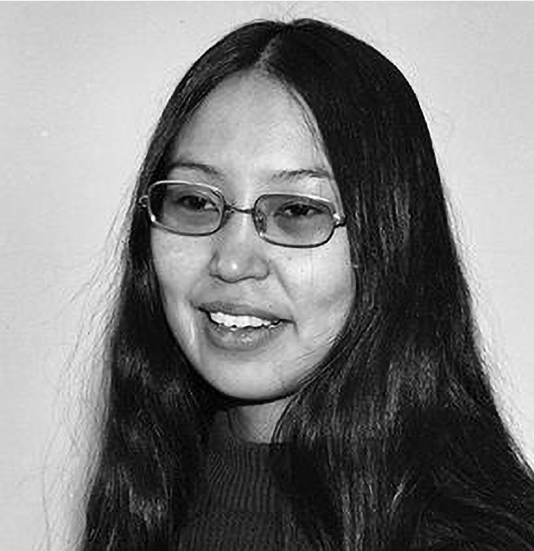
We decided on an ambitious mapping project
run by a young Dene woman named Phoebe
Nahanni. She devoted her waking hours to
the work. This was not some outside expert
flying in, taking a look, and flying back out.
Phoebe oversaw a group of Dene
researchers who went out into the
communities and conducted interviews with
hunters and trappers.
Photo: NWT Archives
Q. Was it a challenging task?
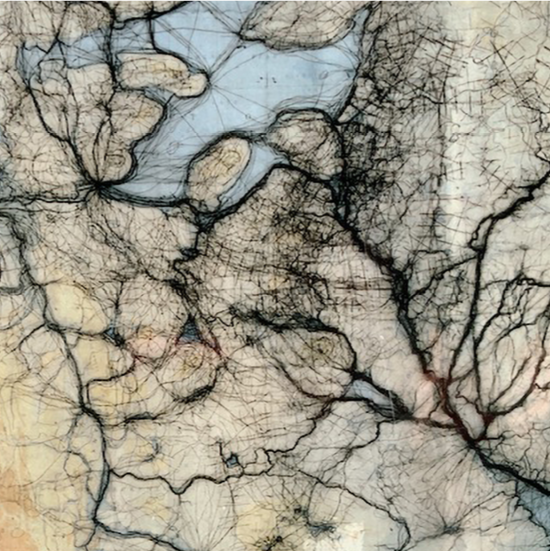
The office was a busy place as the maps
emerged, with all the lines on them, showing
hunting and trapping areas. They were
irrefutable proof that Dene had used the
land for hundreds of generations.
The maps demonstrated that the Dene
way of life was still alive, that aboriginal
people had a special connection to the land.
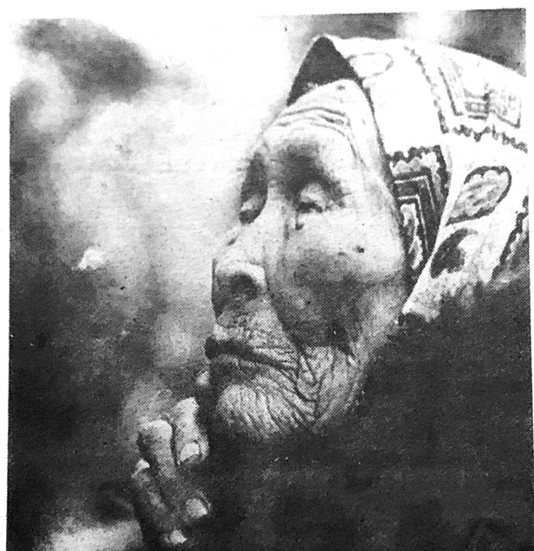
When Judge Berger held hearings in the
communities, this message was brought home
by the people who spoke.
Photo: NWT Archives
Q. What impact did the finished land use
maps have on the inquiry?
It was a way of showing that the Dene claim
of self-determination was realistic.
We were showing that the traditional
economy of hunting and trapping was a
real economy, an industry worth preserving
because it provided food and income for
aboriginal people.
It was a viable way of life. Although a cash
economy had come in, it was supplementary.
It wouldn't necessarily take over.
Photo: NWT Archives