Q. In the 1970s, was it unusual for
environmental groups to be represented at
inquiries?
Early in the 1970s, getting environmental
evidence into hearings was very difficult.
The hearings were between industry and
the government, and the public was not
invited to participate. Gradually, some of
the younger lawyers began trying to impose
ourselves into regulatory hearings.
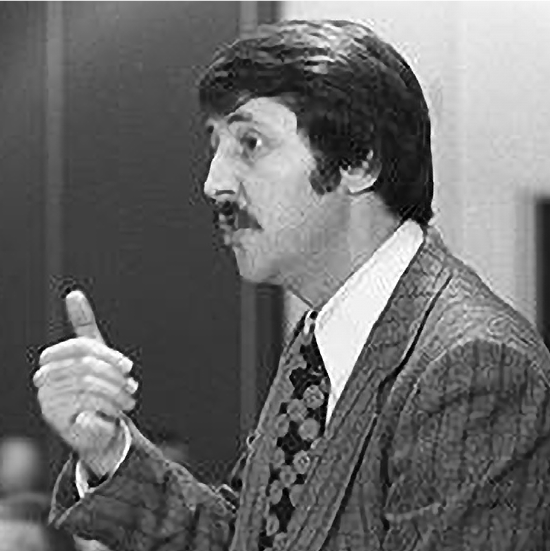
Photo: NWT Archives
We got beaten up quite a bit. There was a
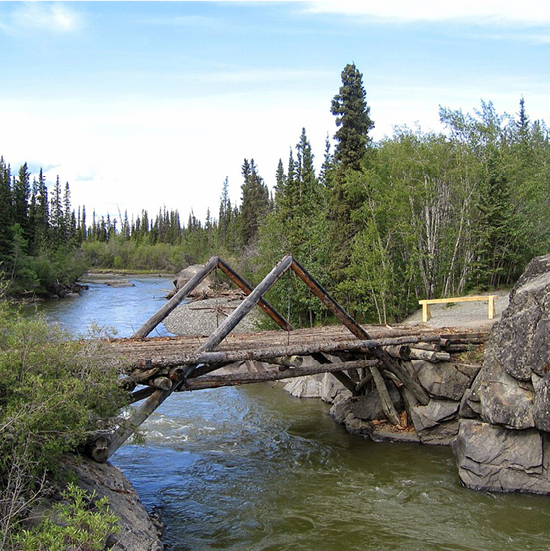
proposal in the Yukon to dam the Aishihik
River, which would destroy Aishihik Falls and
a historic aboriginal burial ground. I went
up there and slept on the floor of a local
resident's house.
We attended a hearing but were not
allowed to speak. Months later, they
relented. It was the first time that
happened.
Photo: Wikipidia
Q. How was the legal case for the
environmental organizations organized?
Judge Berger was the first to find funding
so environmental groups could be heard. But
there were so many interests that wanted
to be present: how do you accommodate
that?
Berger got the environmentalists from the
north and south together and said: 'I will
fund one environmental voice. So you're
going to have to form a coalition and
support it, all of you.'
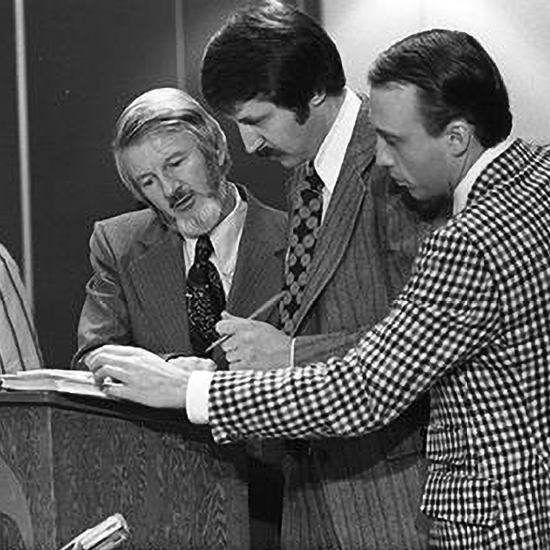
Photo: NWT Archives
Q. What was the primary concern that
environmental groups had about the pipeline?
The Berger Inquiry was looking at a gas
pipeline. But we were concerned that later,
when an oil pipeline was suggested, the
companies would say: 'Let's not disrupt
another area. Let's put the oil pipeline next
to the gas pipeline. And then we might as well
put in a road.'
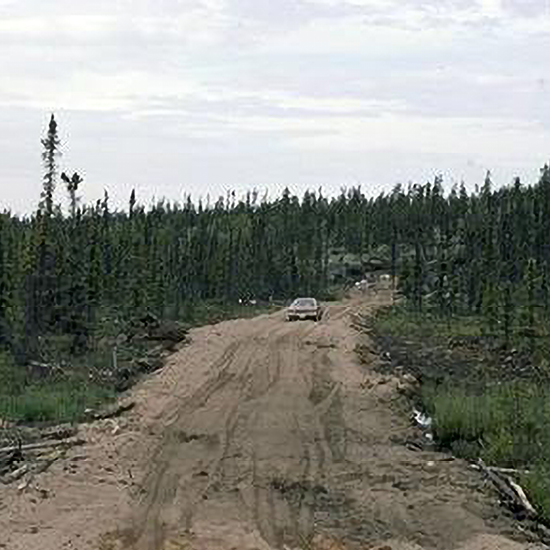
So we saw the pipeline as a transportation
corridor.
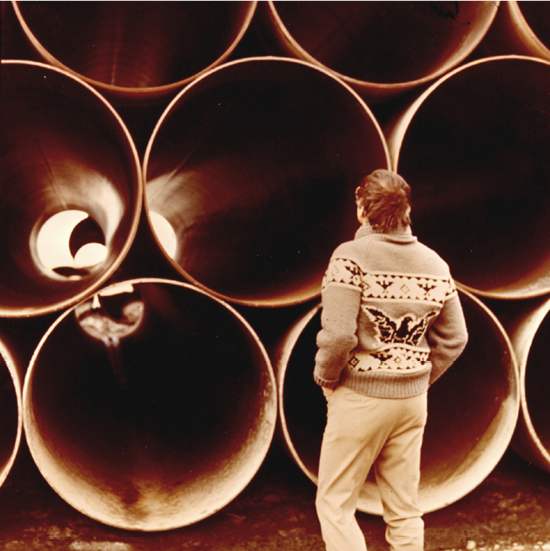
Photo: The Berger Inquiry
Q. What evidence was particularly
important?
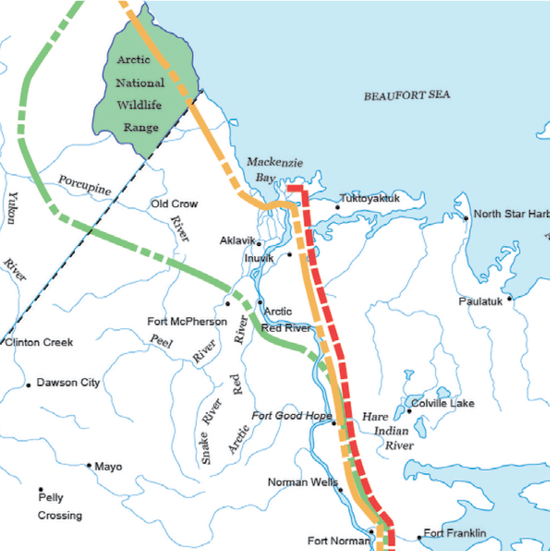
The route proposed by Arctic Gas would
cross the North Slope of the Yukon
where the Porcupine caribou herd was an
international treasure. What does a pipeline
do to caribou migration routes? It would
cross a critical calving area.
So we argued that at certain times of the
year, even a minor disruption would have
catastrophic impacts.
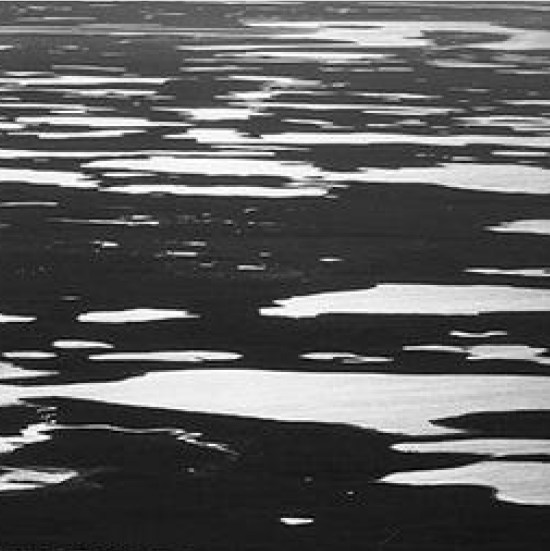
Image: Markus Radtke
As the counsel for the environmental
organizations, I had to make sure our
evidence was credible. Sometimes I sat down
with a scientist and he said: 'This will never
happen.' I had to question him: 'Never? Or it
just hasn't happened yet?'
Secondly I had to look for inconsistencies.
So imagine a representative for the pipeline
companies said: 'Don't worry, we can repair
the pipeline within 24 hours.' Then we would
comb through the evidence to find where
another representative said: 'We are going
to decommission the roads.' We had to ask:
which of these things is true?
Photo: NWT Archives
Finally, we had to admit to ourselves: this
pipeline might go forward. If so, we had
to recommend the controls, systems and
procedures that should be in place to
protect the environment. Our team pulled out
all the important information so it didn't get
lost.
As a counsel, that was my job: to structure
the argument to have impact and credibility.
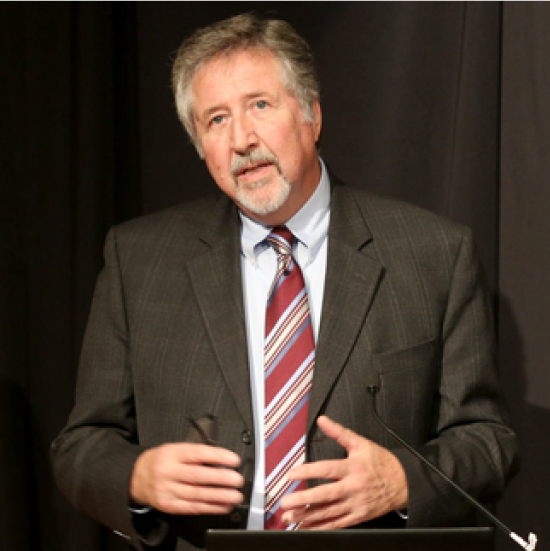
Photo: UWinnipeg