It was an exciting time. I was working for
a private law firm in Whitehorse, doing
litigation and negotiations for the Council
of Yukon Indians when we heard that the
Inquiry had been established.
There was no template for an Inquiry of
this nature, so there were several meetings
of lawyers to decide upon rules of
procedure. It was decided that there would
be community meetings in Old Crow and
down the MacKenzie River. The concept of
consulting Aboriginal people in this manner
was a novel one at the time.
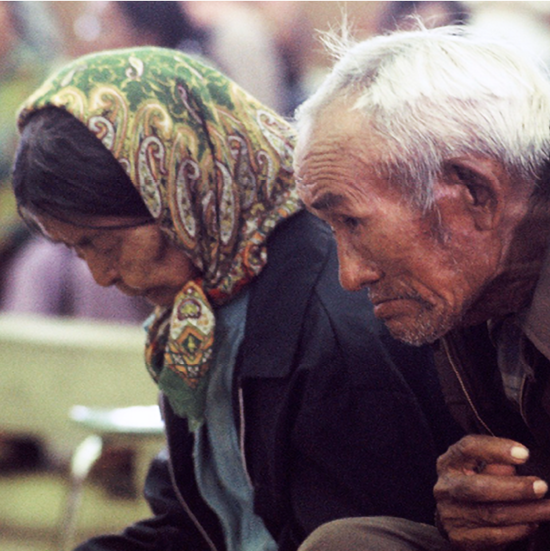
Photo: NWT Archives
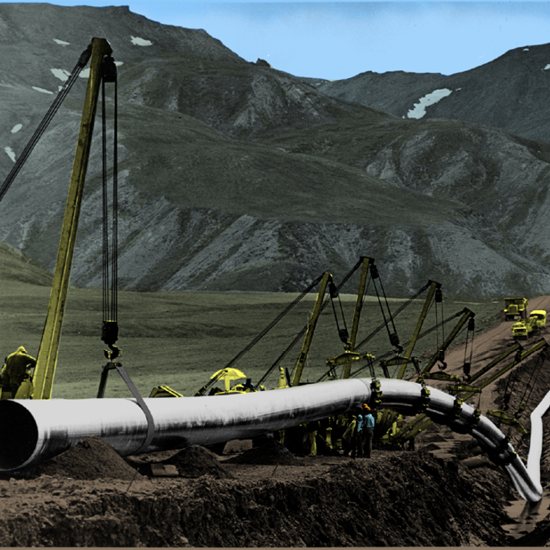
The position of the energy companies
was essentially: 'Look we have a lot of
experience on the North Slope of Alaska.
The caribou just stand there and look at
the development.' So their position was that
things could be ameliorated so that the
caribou would be protected.
The issue that we felt they couldn't control
was: what's going to happen to the caribou
migration and the calving, which is so
sensitive on the North Slope. I don't think
they had really strong answers for that.
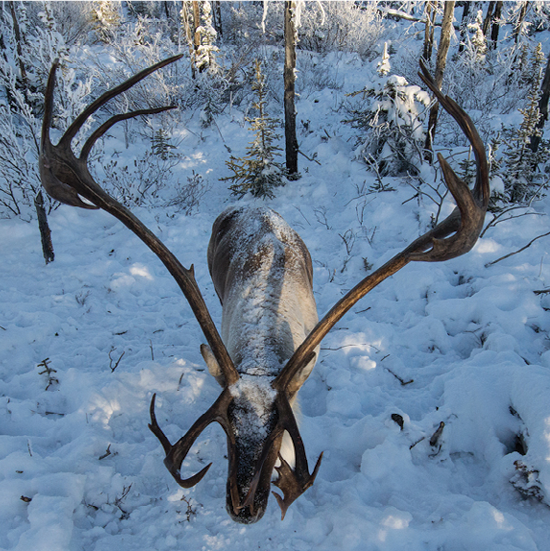
Q. Why was the caribou herd key?
The Porcupine caribou herd has one of
the greatest land migrations of any animal
in the world. The people at the Council
of Yukon Indians and Old Crow weren't
prepared to sacrifice that for a pipeline.
When we spoke to people in Old Crow, the
Vuntut Gwich'in, the key issues were always
the relationship with the caribou and the
Crow Flats, where they hunted muskrats.
Photo: Peter Mather
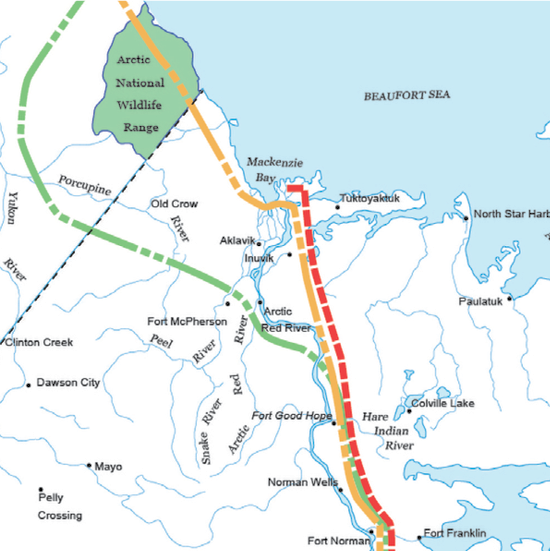
Q. Compare the two pipeline routes ...
The Porcupine caribou herd has its calving
calving ground on the North Slope of
Alaska. The pipeline route proposed by
Canadian Arctic Gas ran across the North
Slope of the Yukon and would interfere
with the calving ground.
The alternate route to the south, proposed
by Foothills Pipelines, would impact the
people of Old Crow and affect the
migration route of the Porcupine caribou.
Image: Markus Radtke
The people of Old Crow were ready, they
wanted to be heard. We're talking about
a community of 300 people so it wasn't
difficult to mobilize them to tell their story.
Sometimes people were shy or they weren't
accustomed to having microphones in front
of them.
The Elders in Old Crow were willing to come
forward to speak. Lorraine Netro, who
was a teenager then, she came and spoke.
Children spoke and gave their perspective.
That was the most enjoyable job, because I
learned so much.
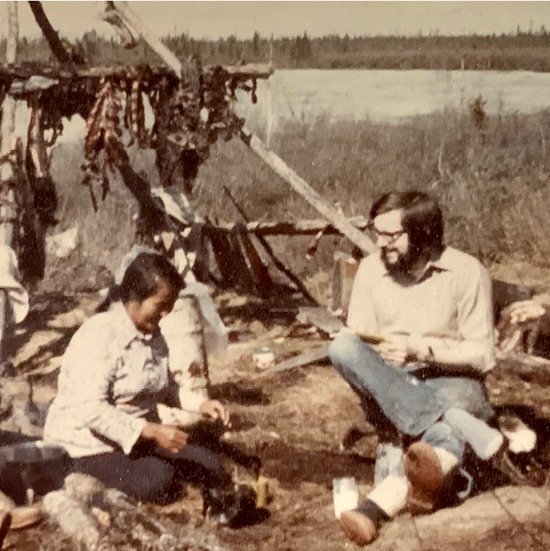
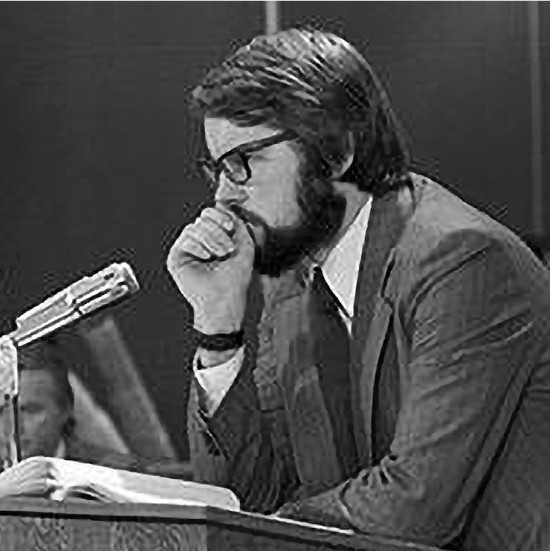
Photo: Micheal Jackson