1. HOME
  2. YEARS OF CHANGE
  3. INQUIRY
  4. INSIDE THE INQUIRY
  5. A NEW APPROACH
  6. NEW PERSPECTIVES
  7. BRIDGING-THE-GAP

Bridging the Gap

An interview with Nellie Cournoyea

Q. Describe the history of the Inuvialuit
people...

For a long time, there have been erratic
ups and downs in Inuvialuit society. The
whaling days saw great disruption as the
Inuvialuit tried to get the best out of
whaling. Then two bad epidemics came
through. You could go to a village of 150
people and within days only 25 people
were left alive. So we have always had to
struggle to rebuild.

Photo: NWT Archives

Q. Why did you create COPE?

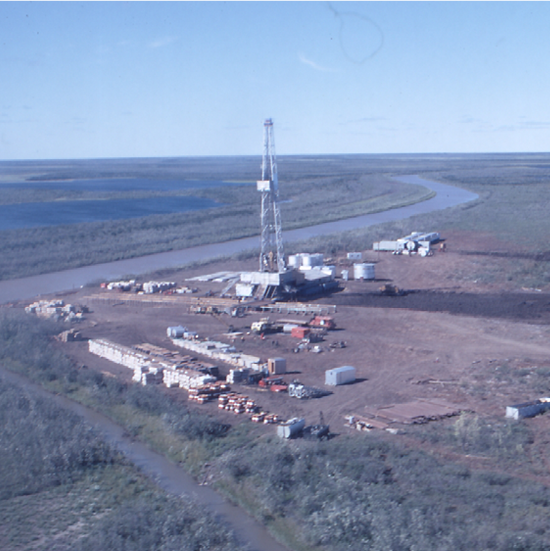
From the 1960s, there was oil and gas
activity. We knew that once the companies
proved up the resources, we would be
alienated from lands we wanted for
ourselves. So we became determined to
create an organization that would ensure
the Inuvialuit were protected.

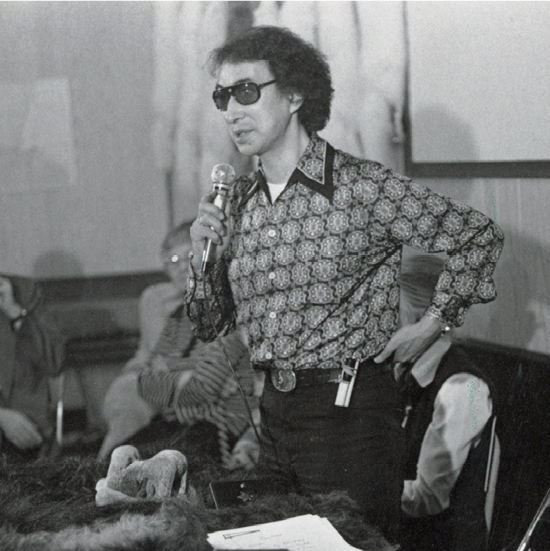
The Committee for Original Peoples'
Entitlement (COPE) was the first aboriginal-
specific organization in the NWT.

Photo: Jim Carney

Q. Who did COPE represent?

The original intent was to create a strong
and organized voice for native people. It was
an open organization, representing Inuvialuit,
but anyone could join.

We had to get the job done or change
would roll right over us. We went out to the
communities and spoke to people, individual
to individual. We did the grunt work, door to
door. Then we followed up with community
meetings. That way, even though people
were isolated, they could speak collectively.

Photo: NWT Archives

Q. What role did the fieldworkers play?

One of COPE's key aims was equal
participation in a changing northern
society - and respect for wildlife and the
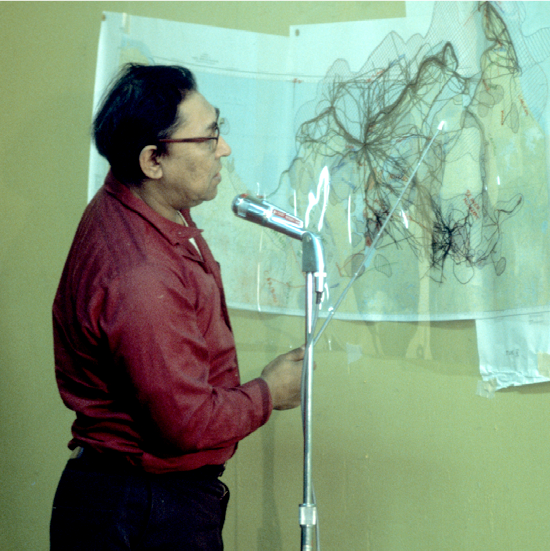
environment. We hired field workers, like
Frank Cockney, to collect stories about the
land from elders, hunters and trappers.

Then in each community we presented the
maps to Judge Berger, so he could see the
extent of our claim.

Your browser does not support the audio element.

Photo: Michael Jackson

Q. What evidence was presented at the
formal hearings?

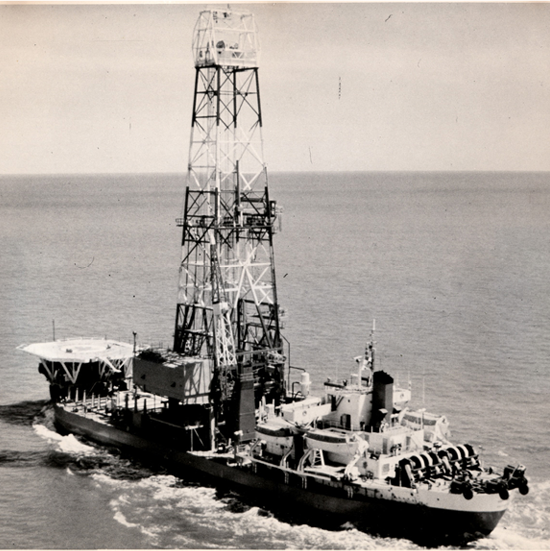
A key issue facing the Inuvialuit was Dome
Petroleum's plan to drill for oil in the deep
waters of the Beaufort Sea. The Inuvialuit
were concerned that a blowout would have
an impact on our traditional foods: fish,
seals, whale.

Judge Berger held a special set of formal
hearings to address this. COPE collaborated
with environmentalists, like Dr. Doug Pimlott,
to question the wisdom of Dome's plan.

Q. What were the challenges?

Many people think that aboriginal
information is anecdotal, story-telling. We
had to learn to express ourselves so the
people who made the decisions - federal
institutions, industrialists - were able to
listen. It was difficult to bridge that gap. It
still is.

Photo: NWT Archives