It was 1936, the Depression. I went into Engineering but it was hard to get a job. You’d be lucky to be driving a Coca Cola truck in the summer. So I went into Geology and went north with the Geological Survey.
We flew in on a Junkers airplane with a couple of a canoes turned over on the pontoons. No radio contact. Seat of our pants. Mainly muskeg. We got $2.50 a day. The second year I got a raise to $2.85.
A fellow from Boston came out to Alberta and asked me if I would join them to make an oil company. He said: “We want to play this safe.” I turned down their offer. I said: “I’m too much of an explorationist to play close to the oilfields but I’ll handle your effort half time.”
So there I was, alone with a secretary. We spent $8.24 million in the first twenty months.
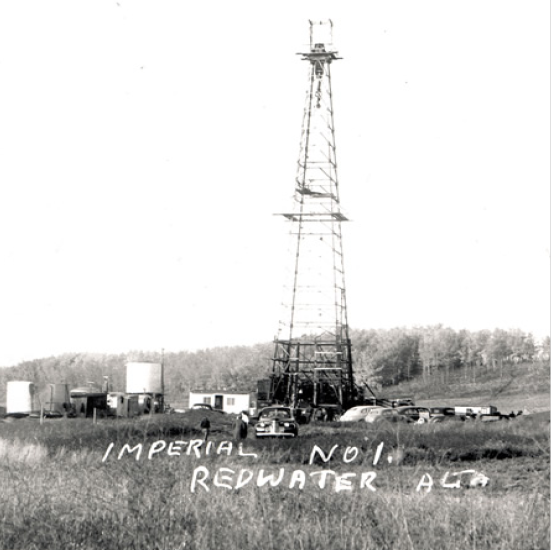
Dome Petroleum went to the Redwater field and paid the highest price that had ever been paid for a quarter section, $1.25 million. Then we did the seismic, deeper than anyone else, right through the gravel bed. It turned out to be the thickest pay zone in the Redwater field. You can’t be that lucky all the time.
We filed our permits in the Beaufort Sea in 1967, before oil was found at Prudhoe Bay.
In 1973, we bought two US navy ships, cut them in half and put a 38-foot section in the middle and an extra hull on the outside. Now we now have a fleet of vessels. This opens up the oil and gas potential across the whole Arctic.
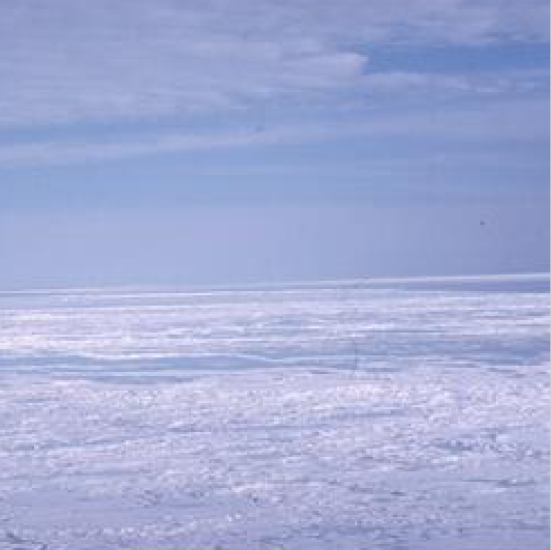
We spent $25 million on environmental research. We took ten different types of oil from Alberta, dumped it through the ice, and tracked it. When it came to the surface in the spring, we burned it off.
We learned that oil would be better contained by the uneven under-surface of the ice than if a blowout occurred in open water where oil flows with the current.
People are worried about the tankers that break up on the coast. That’s like a bursting tire, compared to a blowout, which is like a slow leak. Remember, oil is natural in the sea. Oil is formed from marine organisms decomposing. People get all upset about a little oil in the sea, but it’s not that serious.
I doubt we could ever fully prepare for drilling in the Beaufort Sea. We had to get in there and drill before we could learn the environmental implications. So if we had waited we probably would never have known what we have out there.