1. HOME
  2. YEARS OF CHANGE
  3. INQUIRY
  4. BLOWOUT
  5. OFFSHORE DRILLING
  6. POLES APART
  7. A-WORD-OF-WARNING

A Word of Warning

An interview with Dr. Doug Pimlott, Canadian Arctic Resources Committee, 1977

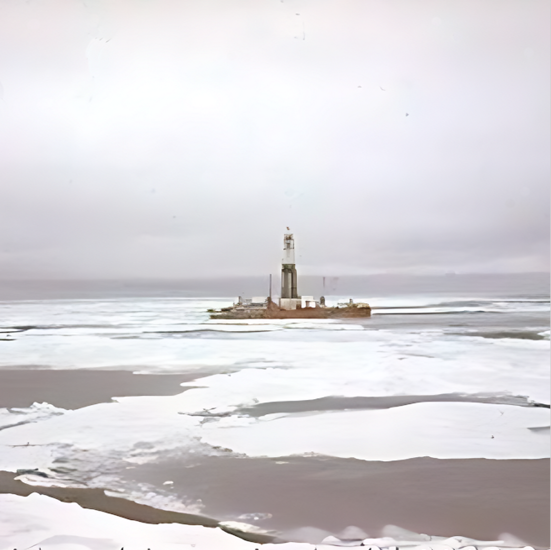
“When the federal Cabinet was asked to give approval to Dome Petroleum’s deep water operations, they were not provided with information about the potential environmental consequences.

When they gave approval-in-principle they required a one-year crash environmental assessment - for an area with extreme physical conditions that had hardly been studied at all!

Image: AWRS

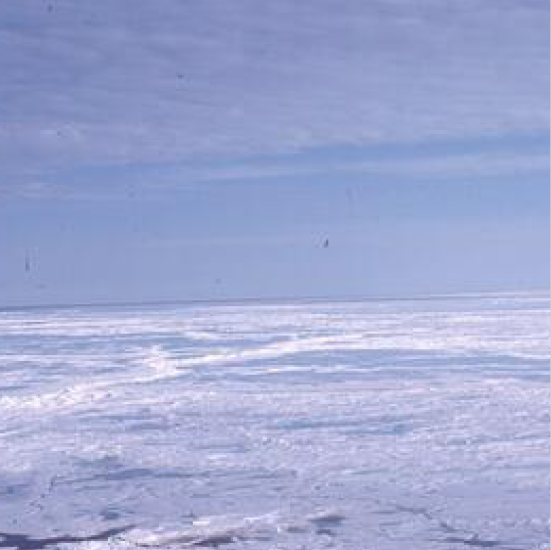
In the Beaufort, in the course of a decade, every single year the ice conditions were different. In the summer of 1974, ice was on the sea all summer.

What if a well blows out? That doesn’t happen very often, roughly one in 500 wells. But in the Arctic, by 1977 we had drilled 200 wells and two wells have blown out. Fortunately, both were gas wells.

Photo: NWT Archives

In an environmental assessment you are trying to get information about what might be harmed and what you can do to keep the harm from occurring.

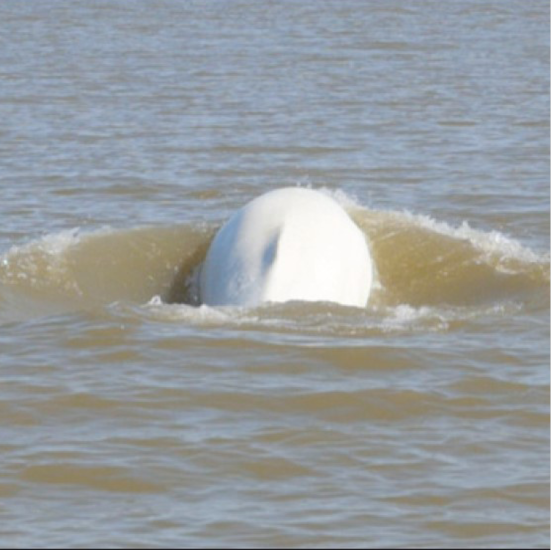
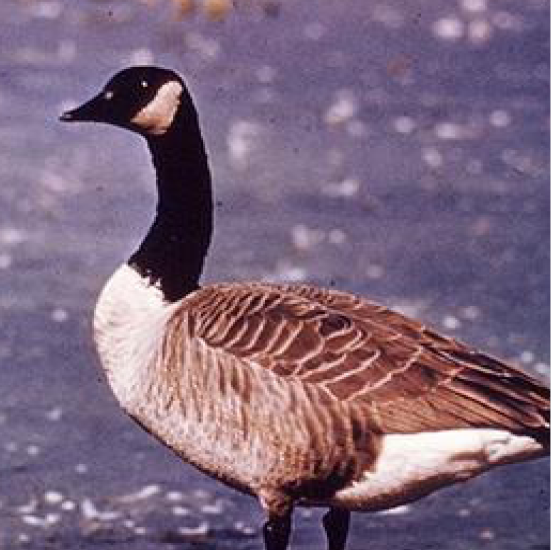
So you might exclude drilling an area that was particularly important for seabirds. In an area where whales calve we wouldn’t allow the industry to do any work in July because it is too critical.

Photo: Jerri Thrasher

If you have an oil blowout, it could spread out very widely. Over the course of a month it could put out several thousand barrels and because of the ice conditions it would be unlikely they could do anything.

It could take as long as a year to stop it. If you had the ice conditions of 1974, you might have to wait for a second year.

Photo: NWT Archives

In that time, the well could put out a couple of hundred thousand barrels of oil into the area, moving widely.

It would wipe out many of the migrating seabirds and have a disastrous effect on the seals and polar bears. It would becatastrophic.”

Photo: NWT Archives