Photo: Drew Ann Wake
Photo: Daniel Séguin
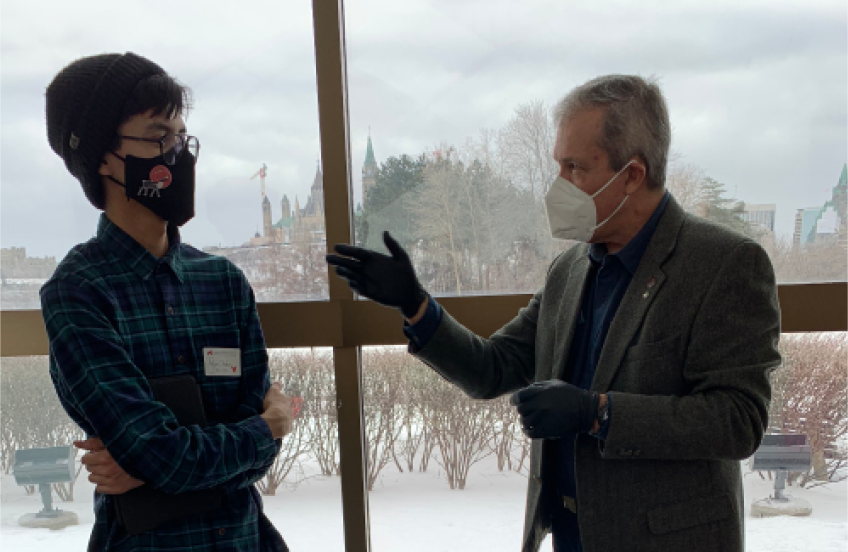
Dr. Jean-Luc Pilon invited me to the Canadian Museum of History to see artifacts that
archeologists have discovered on Gwich'in land over the last century.
Photo: Drew Ann Wake
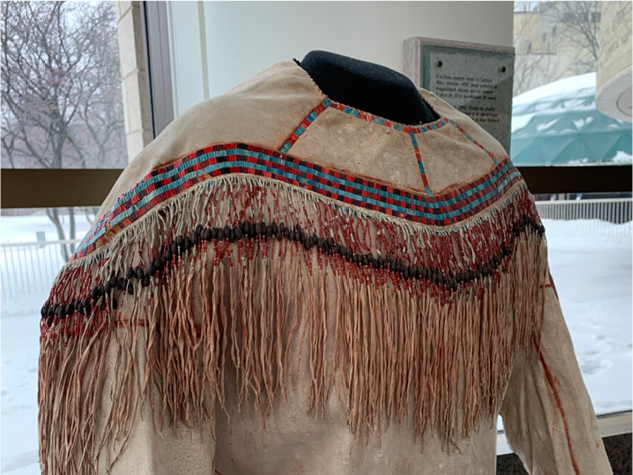
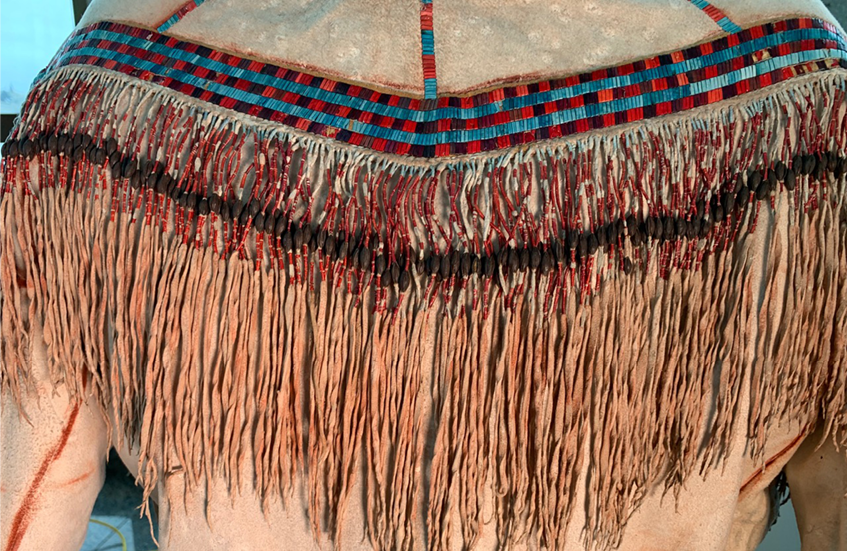
This Gwich'in shirt dates from the 1870s. The hide was scraped so it is even and supple,
even now. It is decorated with porcupine quills and willow seeds.
Photo: Daniel Séguin
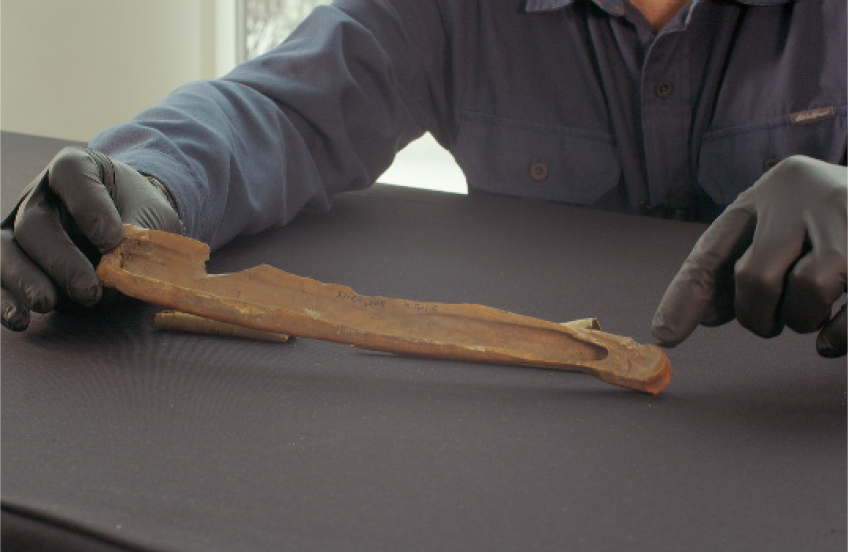
This is a caribou shin bone that was split in two. It has been ground and polished so it has
a sharp edge. The Gwich'in used it to remove hair from caribou hide.
Photo: Daniel Séguin
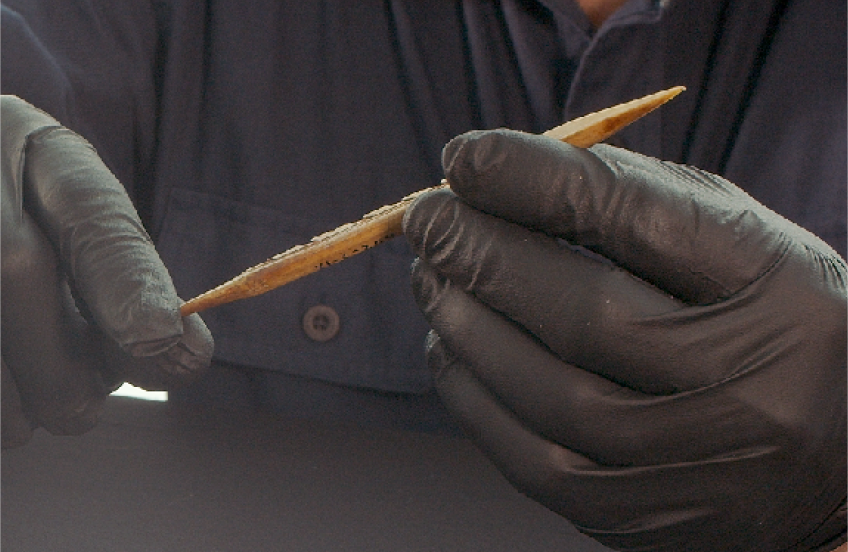
This arrowhead with a fine tapering tip was used by the Gwich'in and the Inuvialuit. It is
decorated with lines. Barbs on the edge keep the arrow in the animal.
Photo: Daniel Séguin
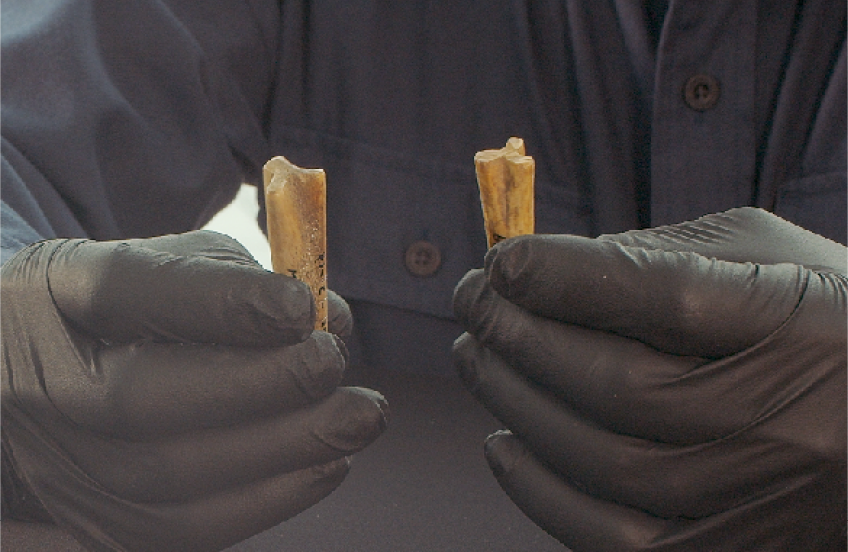
These are bird bunts with a square tip. On an arrow, they can knock out a ptarmigan or
a partridge. They were used by children helping their parents to find food.
Photo: Daniel Séguin
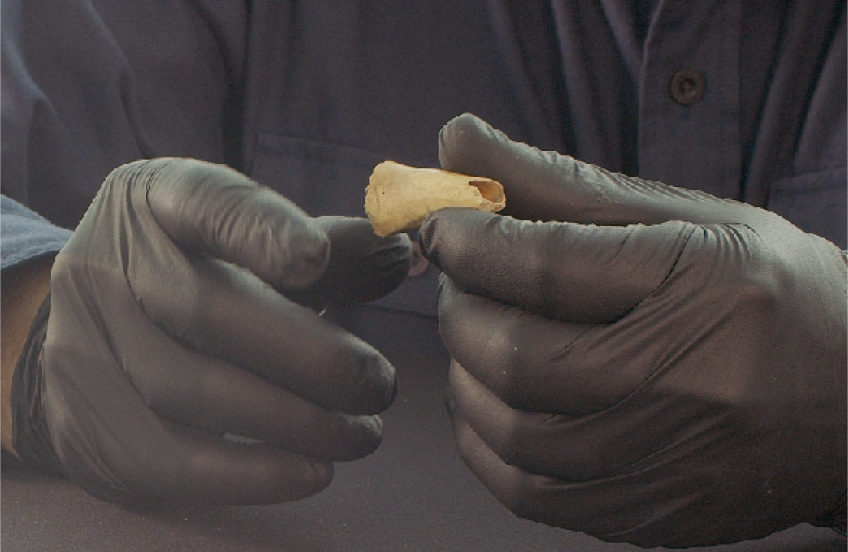
This toy is a bone and pin game, made from the toe bone of a caribou. The end was cut
off, hollowed out and whittled into a triangular shape. People had fun then too!
Photo: Daniel Séguin
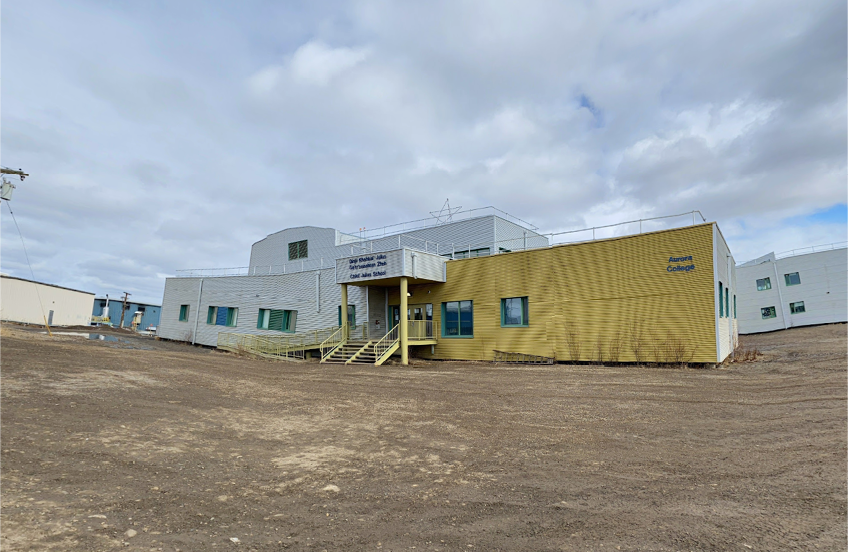
In Fort McPherson, the photos from the museum triggered a debate among students.
Should the artifacts be kept in a museum far away? Or should they be returned?
Photo: Daniel Séguin
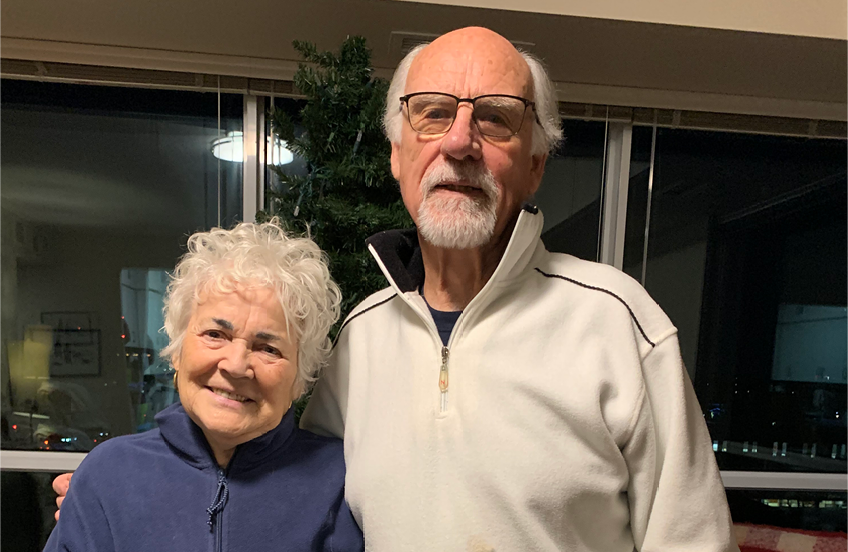
Weeks later, the Gwich'in Tribal Council Department of Culture and Heritage received a
message from John and Judy Osborne in Kingston, Ontario.
Photo: Tony Devlin
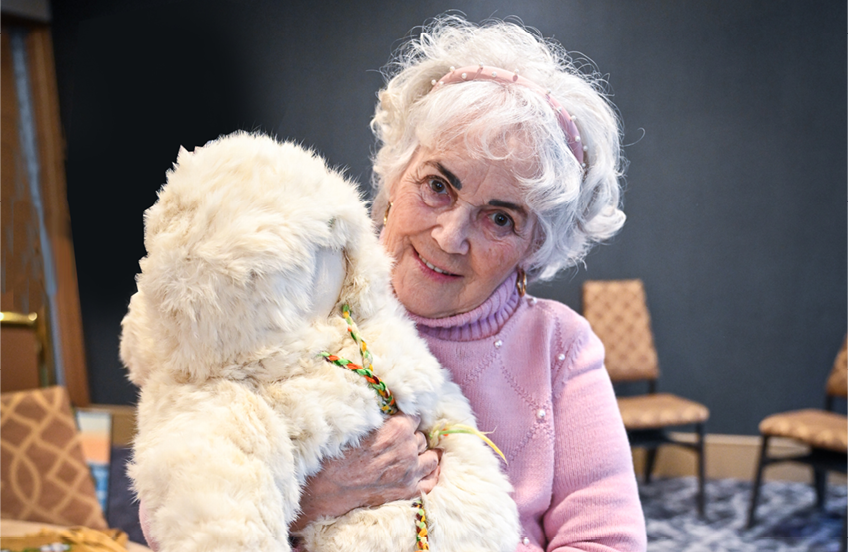
The Osbornes had lived in Fort McPherson during the 1970s. They had tools and clothing
from those years. Would the school offer a home to those artifacts?
Photo: Drew Ann Wake
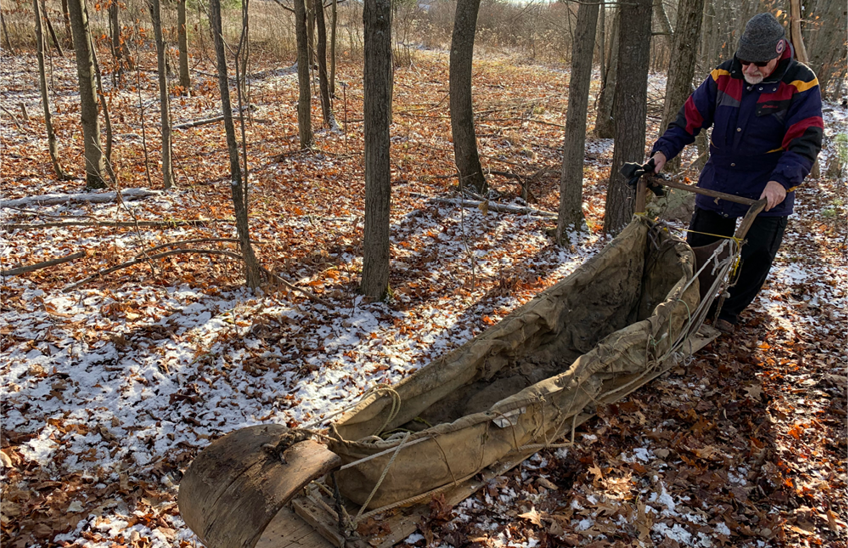
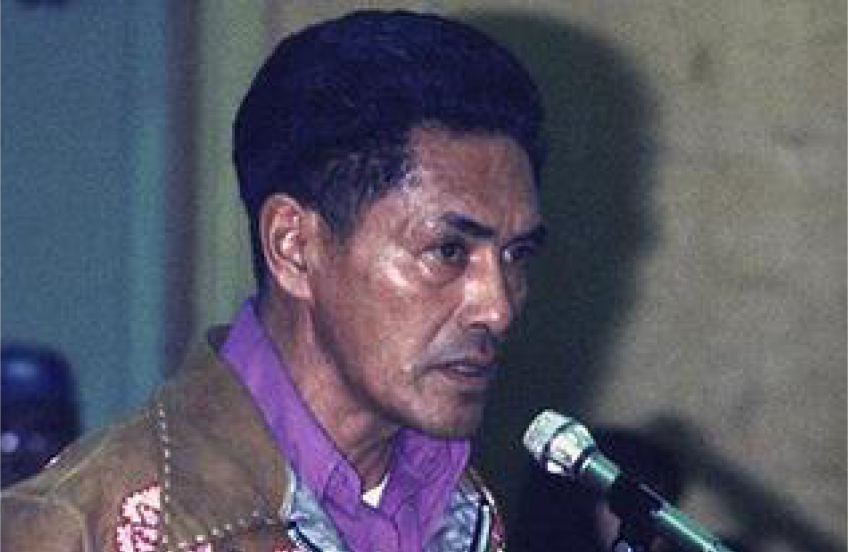
One of the artifacts was a sled made by Chief Johnny Charlie - Arlyn's grandfather.
John Osborne took a photo of the sled and sent it to the school.
Photo: Drew Ann Wake
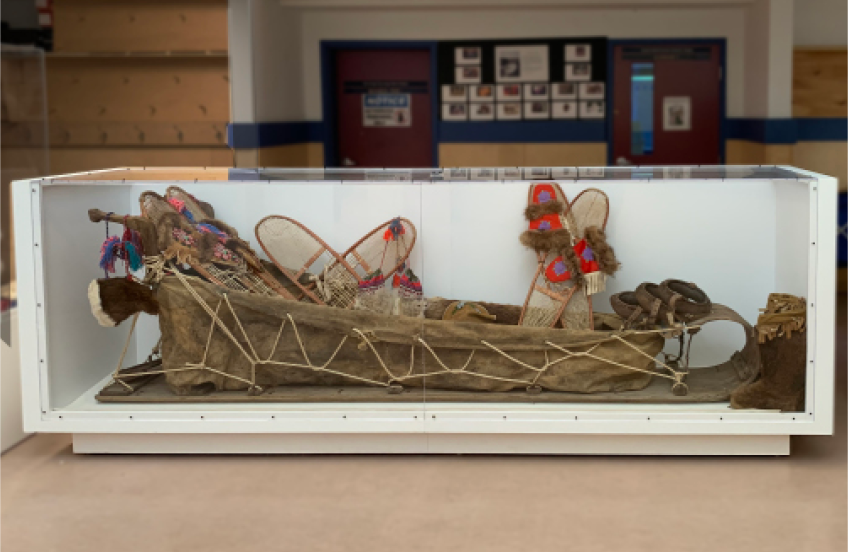
Staff and students decided that the Osborne collection could be placed in the atrium of
their school, so students could explore the artifacts created by their ancestors.